Our story
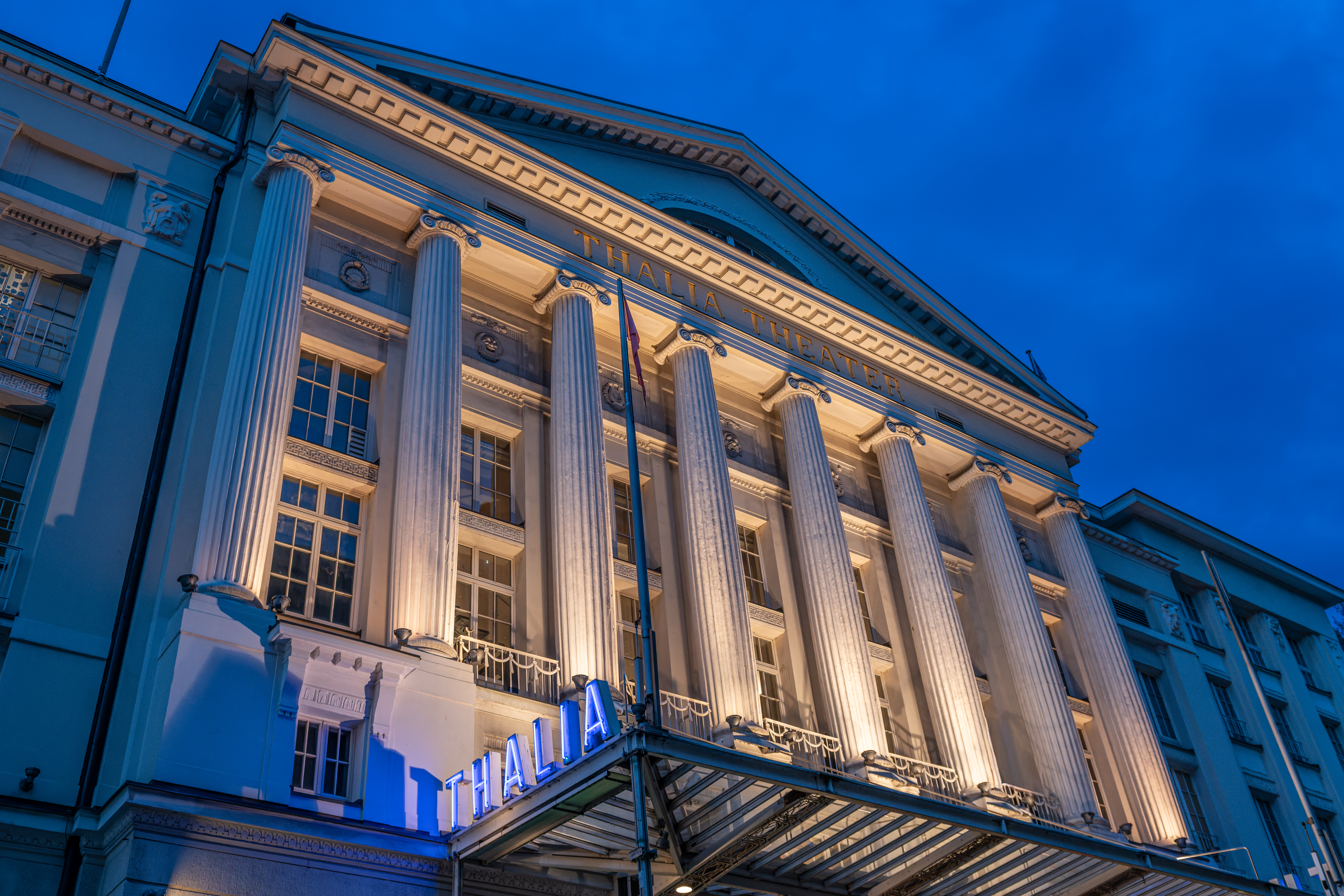
Thalia Theater today
Thalia Theater is one of Hamburg's four national theatres and one of the leading dramatic theatres in the German-speaking world. It is operated as a limited liability company (GmbH) with the Free and Hanseatic City of Hamburg as its sole shareholder. Since the 25/26 season, artistic director Sonja Anders has been running Thalia Theater together with commercial director Tom Till. Around 350 permanent employees work on and off the stage to bring you the finest drama every night.
The main house at Alstertor seats around 1,000 people and houses Nachtasyl bar under the roof. Our second venue Gaußstraße in the Altona neighbourhood is the home of the Studiobühne and BOX stages.
With its focus on a strong ensemble and a large repertoire, Thalia Theater stages around 20 premieres each season. It also hosts festivals, special events, guest performances, readings and events. Approximately 250,000 visitors attend the 850 events held each year at Thalia Theater in Hamburg. Numerous guest performances in Germany and abroad, as well as invitations to important festivals such as Berliner Theatertreffen, Salzburger Festspiele, Wiener Festwochen and Festival d'Avignon, are testament to Thalia Theater's first-class reputation.
Renowned and distinguished artists, strong directing styles and popular authors characterise Thalia Theater, at the heart of which is a strong and diverse ensemble of currently 36 actors.
Under Sonja Anders, Thalia Theater will continue its international outreach with visiting theatre companies and festivals such as the Lessingtage. Formats like Nachbarşchaften and Embassy of Hope are part of Thalia Theater's ongoing diversity-oriented approach to forging close ties with communities, projects and key players of urban society. Sonja Anders and her team are committed to theatre that is based on solidarity, openness and communication, and which engages energetically with its audience. Dialogue and discourse characterise the programme, which is complemented by numerous discussion formats and events. The repertoire includes classical drama as well as world premieres, new drama and contemporary themes.
In the future, collaborations with other theatres and collectives will play a much greater role in order to operate in a more sustainable and diverse manner. Thalia Theater considers itself a learning institution and works continuously to break down barriers, provide access and evolve as an organisation.
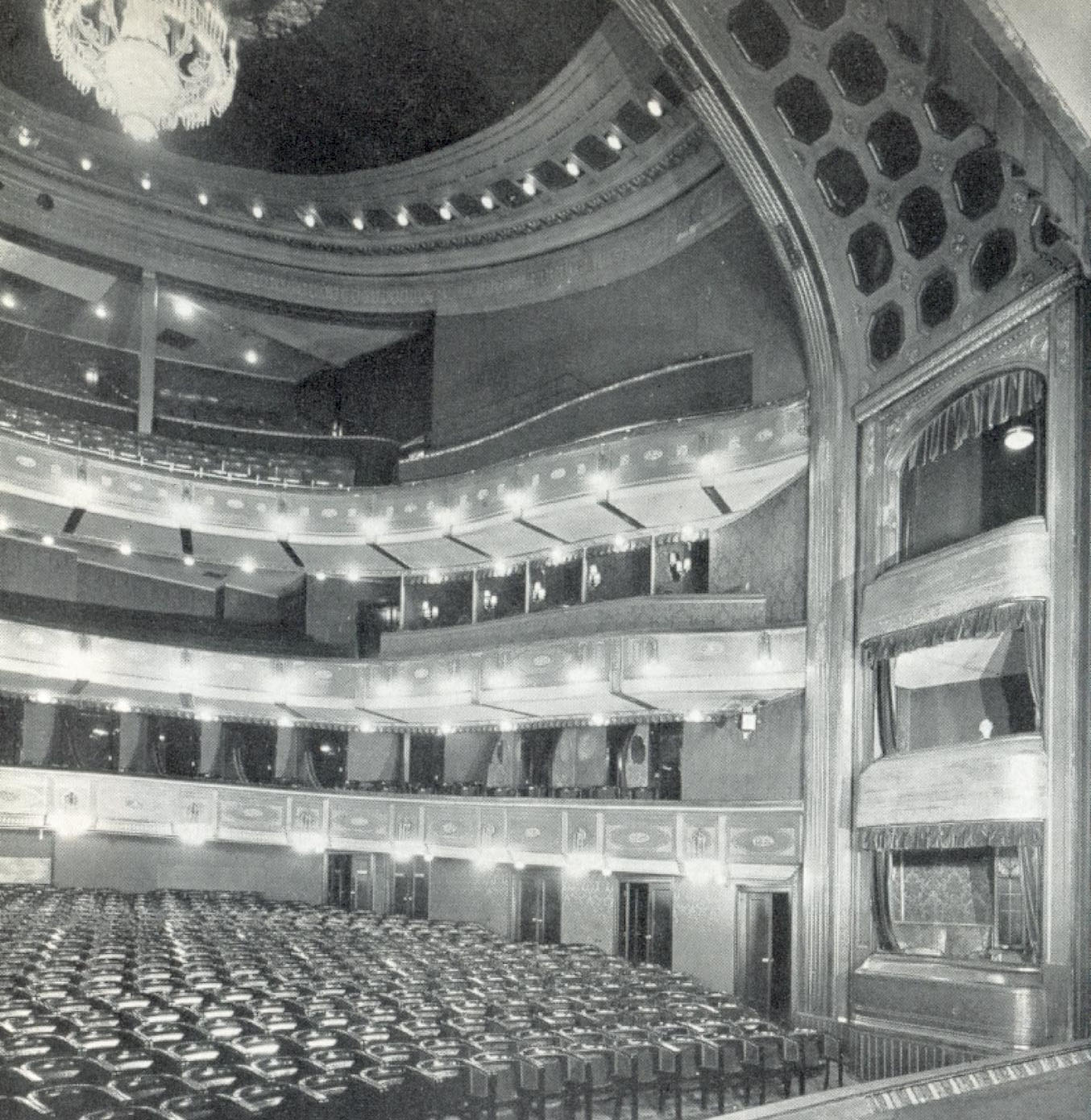
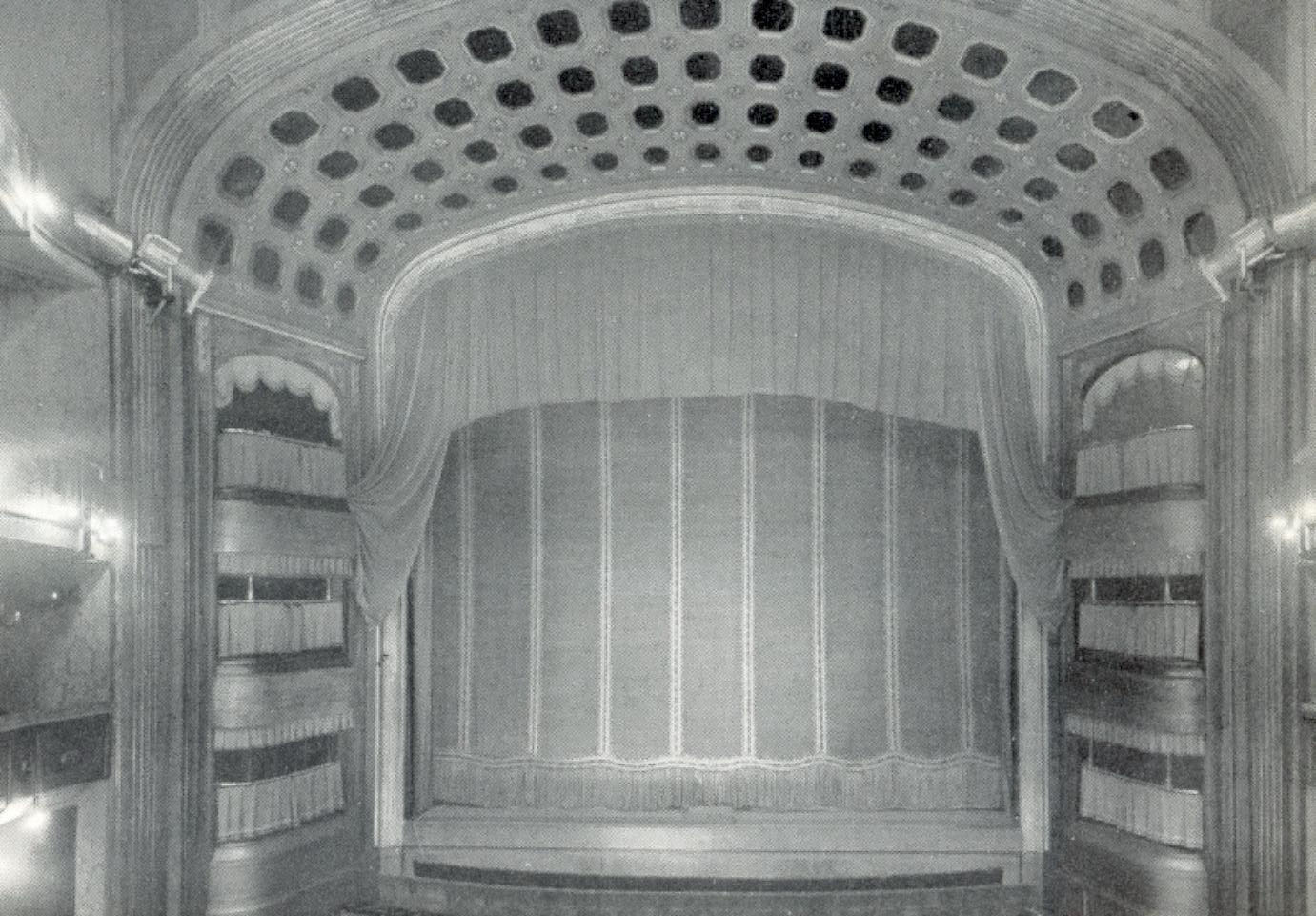
The beginnings of Thalia Theater
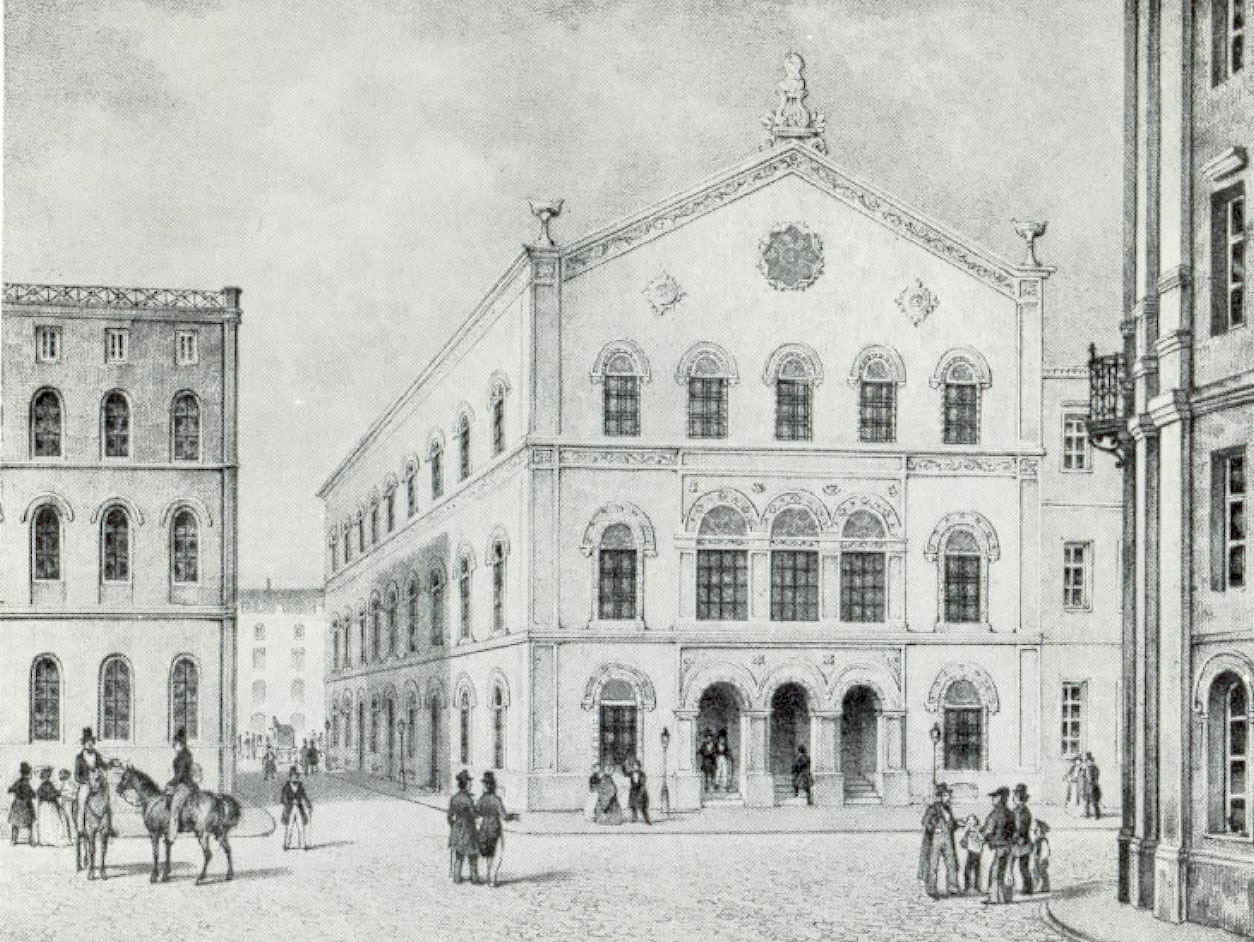
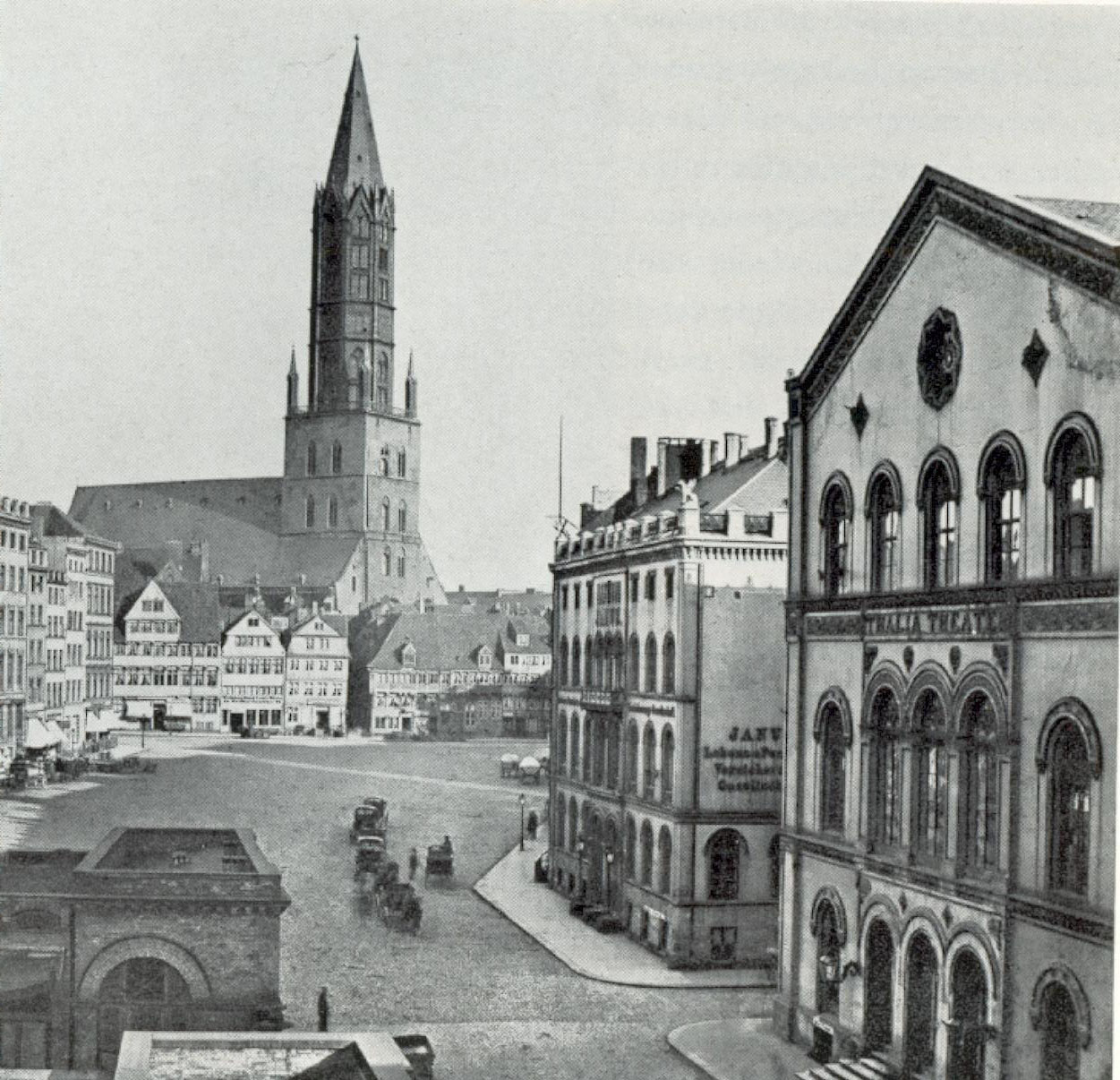
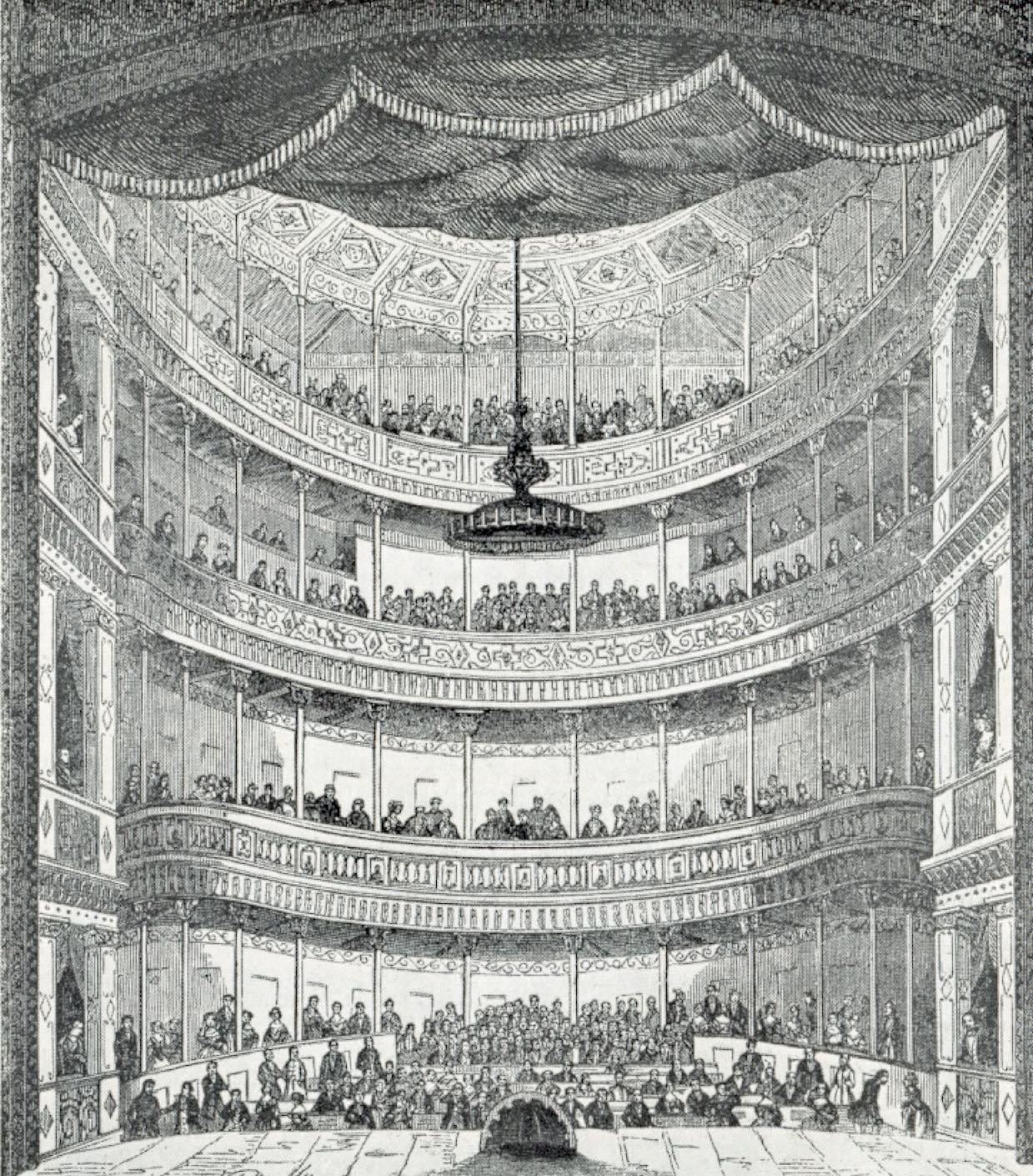
When Chéri Maurice applied for a theater license from the Free and Hanseatic City of Hamburg in 1843, he was prohibited from staging serious plays in order to protect the municipal theater on Dammtorstraße. He then named his theater after Thalia, the Greek muse of comedy, and opened it on November 9, 1843, across from its current location (today the Thaliahof stands there). The theater building was designed by architects Franz Georg Stammann and Auguste de Meuron.
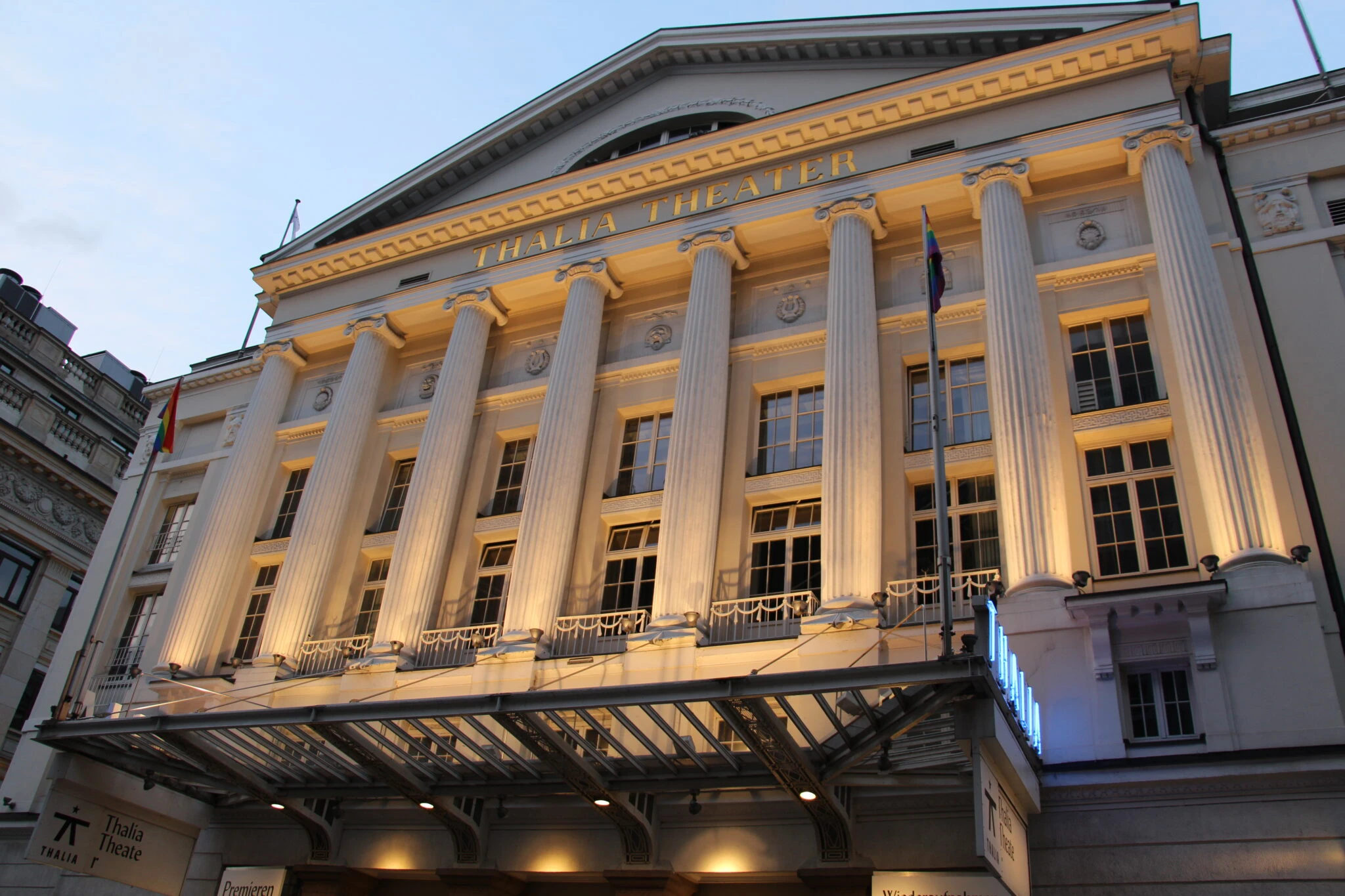
In 1894, Bernhard Pollini acquired the theater; his heirs converted it into a limited liability company (GmbH) in 1907. Under the direction of Leopold Jessner, a larger theater with 1,300 seats was built in 1912 at what is now Gerhart-Hauptmann-Platz. The architects of the neoclassical new building were Werner Lundt and Georg Kallmorgen.
In 1927, the later world-famous actor Peter Lorre (Laszlo Löwenstein) was an actor at the theater. Erich Ziegel succeeded Hermann Röbbeling, who had been in office since 1915, as director in 1932. From 1934 to 1942, Paul Mundorf took over the management of the theater, initially together with Erich Kühn until 1936, and thereafter together with Ernst Leudesdorff. In 1937, the Thalia Theater was nationalized. From 1942 to 1945, Robert Meyn served as the theater’s director.
In 1945, the building was largely destroyed; in 1946, a provisional reopening took place with Shakespeare’s Twelfth Night under the artistic direction of Willy Maertens, who led the theater until 1964.
In 1957, the Foundation for the Reconstruction of the Thalia Theater in Hamburg was established, which in 1977 gave rise to the Foundation for the Promotion of the Thalia Theater Hamburg—which still exists today—and the → Thalia Friends.
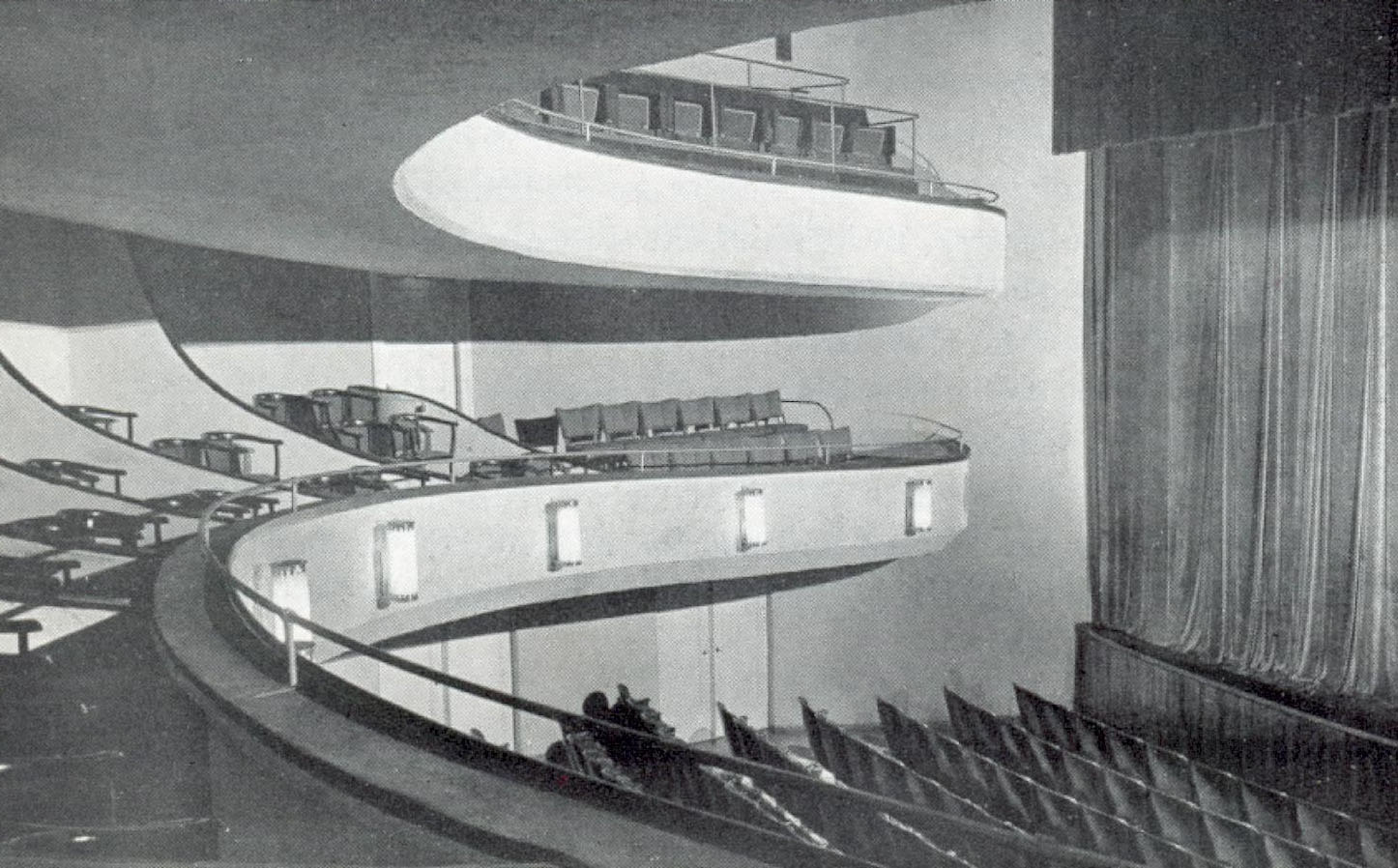
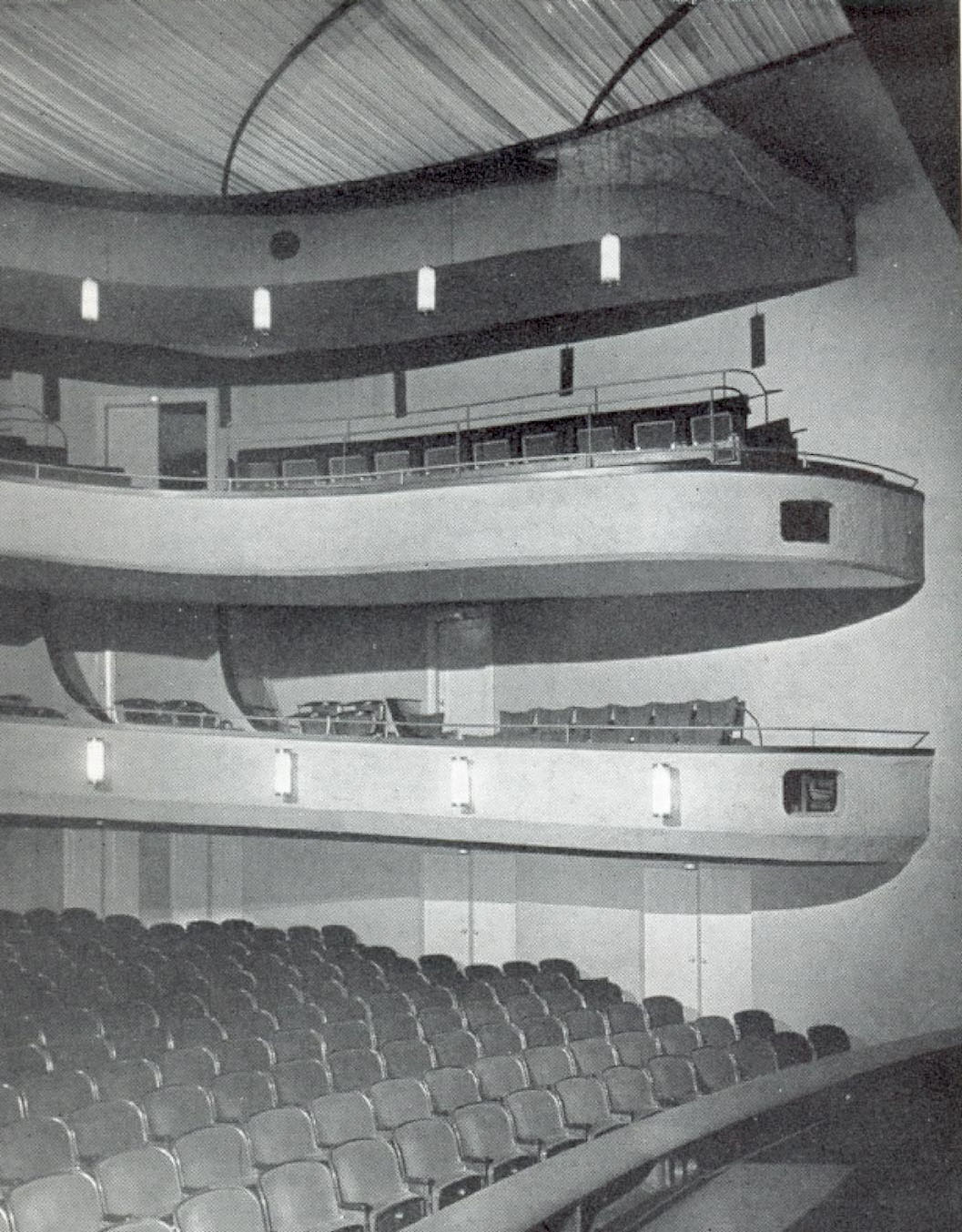
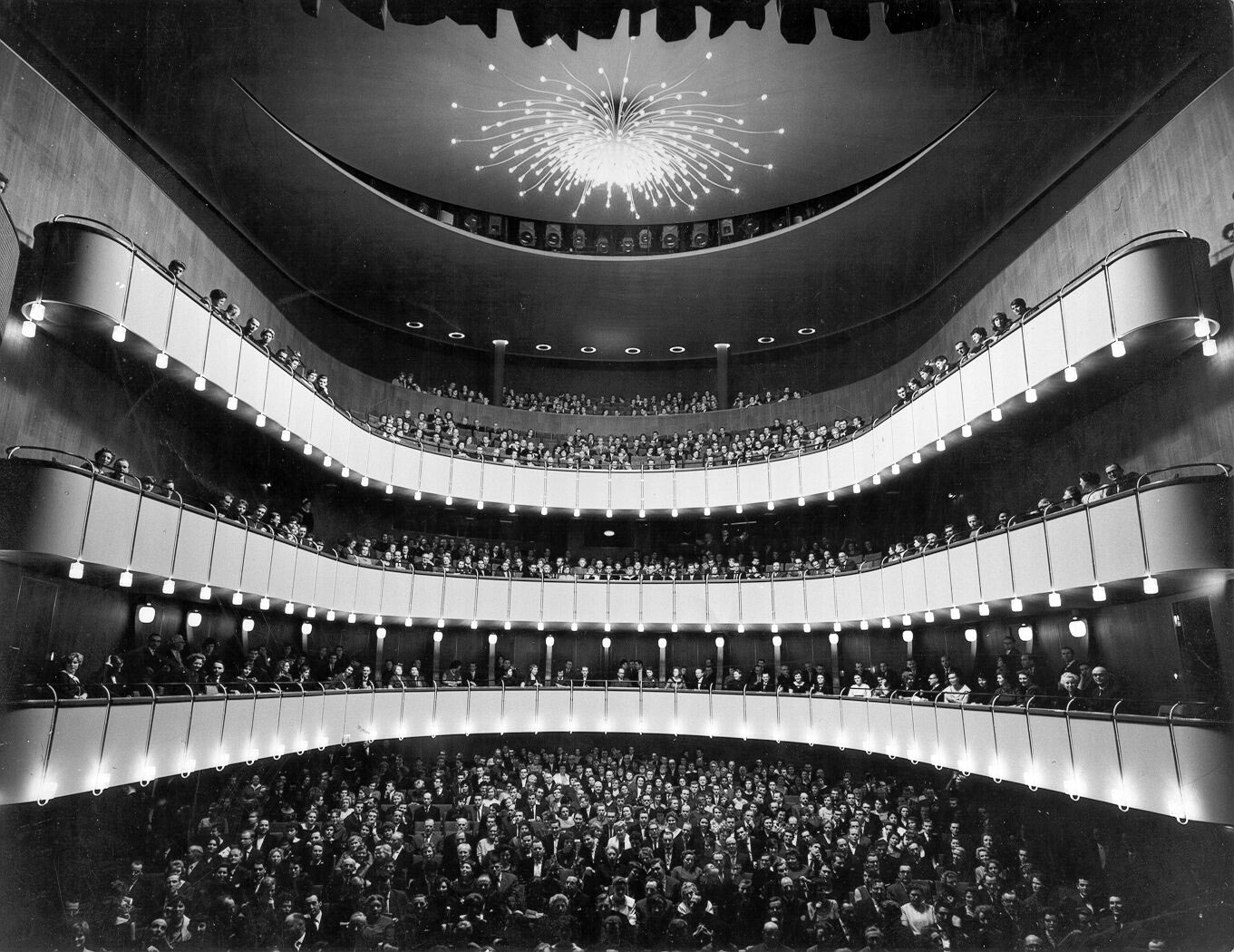
On December 3, 1960, the fully restored and modernized theater opened with a performance of George Bernard Shaw’s Saint Joan. The interior design by architect Werner Kallmorgen (whose father Georg was responsible for the 1912 construction) is considered an outstanding example of postwar modernism.
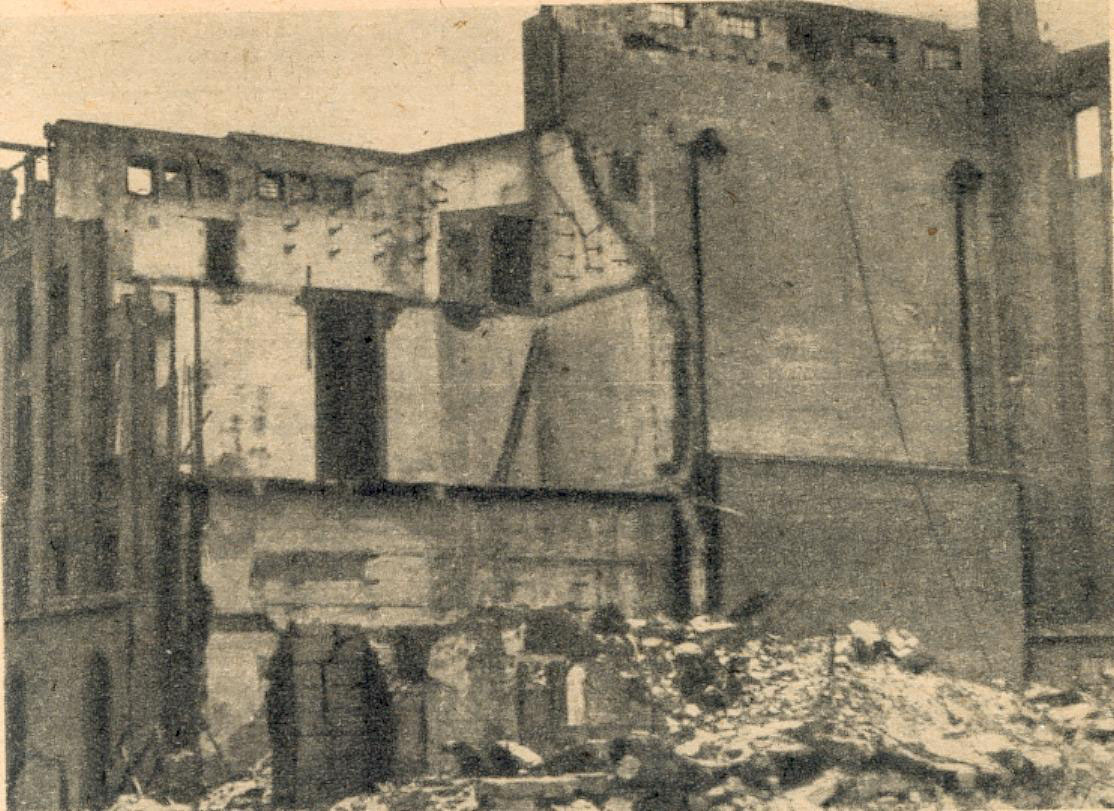
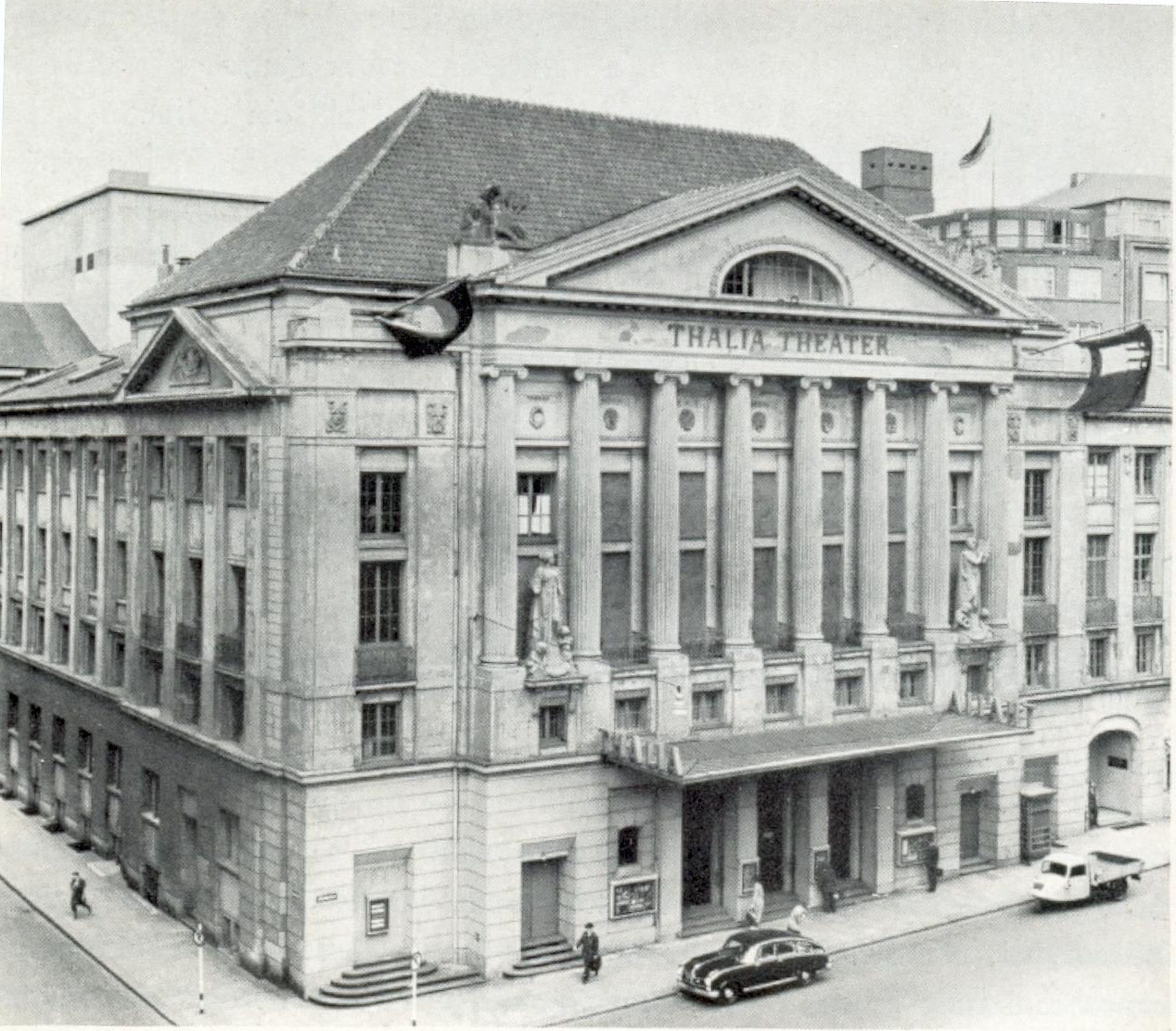
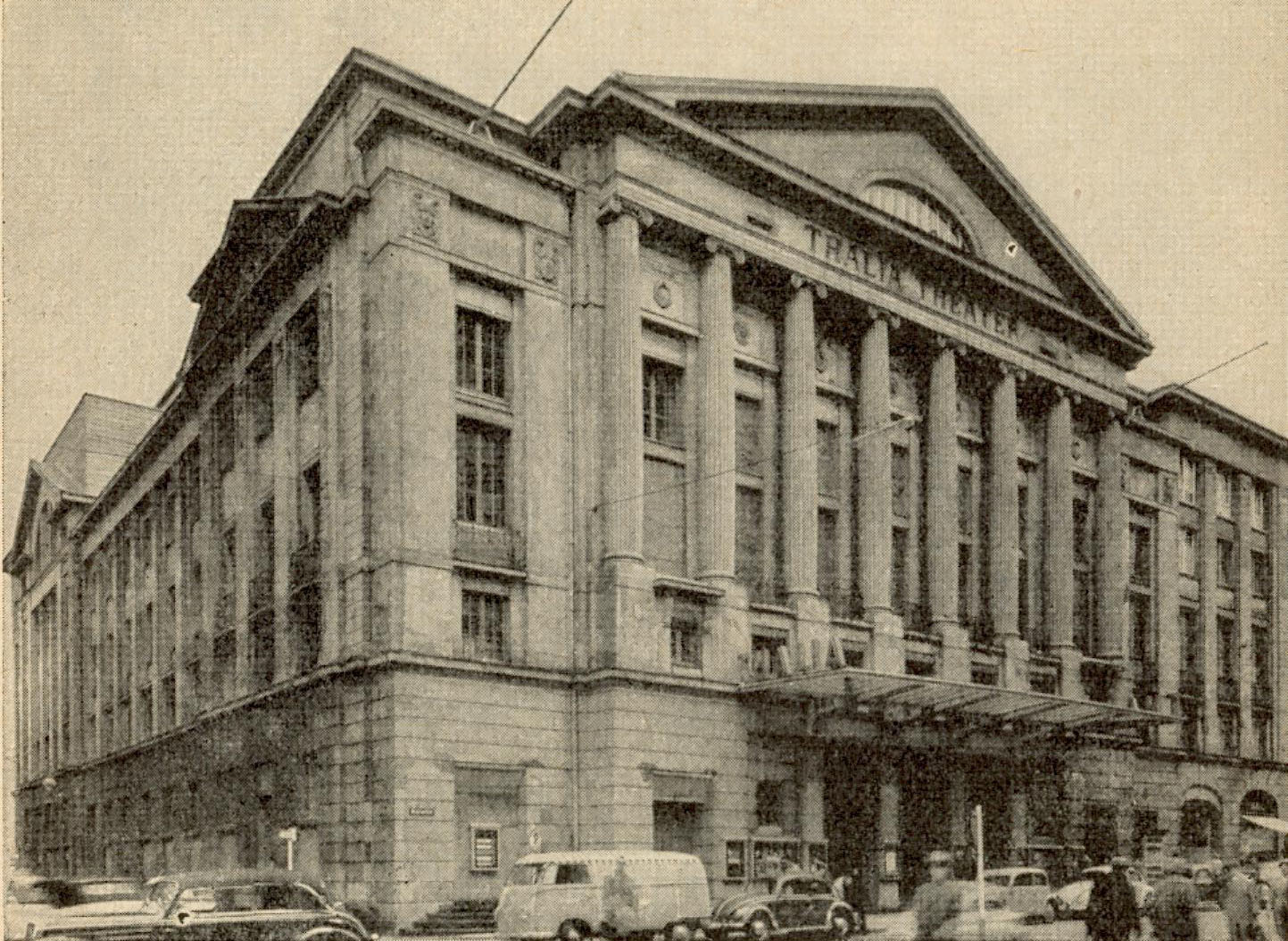
1945 wurde das Gebäude weitgehend zerstört, 1946 erfolgte eine provisorische Wiedereröffnung mit Shakespeares Was ihr wollt unter der Intendanz von Willy Maertens, der bis 1964 das Theater leitete.
1957 wurde die Stiftung ›Wiederaufbau Thalia Theater in Hamburg‹ gegründet, aus der dann 1977 die noch heute bestehende ›Stiftung zur Förderung des Thalia Theater Hamburg‹ und die → Thalia Freunde hervorgegangen sind.
Am 3. Dezember 1960 wurde das vollständig wiederhergestellte und modernisierte Haus mit dem Stück Die heilige Johanna von George Bernard Shaw eröffnet. Die Innenausstattung des Architekten Werner Kallmorgen (dessen Vater Georg für den Bau 1912 verantwortlich war) gilt als hervorragendes Beispiel der Nachkriegsmoderne.
Kurt Raeck’s tenure as artistic director (1964–1969) was succeeded by Boy Gobert. Under his leadership (until 1980), the Thalia embraced contemporary director-led theater. Gobert brought directors such as Peter Zadek, Hans Neuenfels, and Jürgen Flimm, as well as theater photographer Rosemarie Clausen, to the company. The ensemble included Paula Wessely, Ingrid Andree, Nicole Heesters, Johanna von Koczian, Agnes Fink, Martin Benrath, Helmut Lohner, Kurt Meisel, and Uwe Friedrichsen, among others. In 1972, a second venue, the TiK (Thalia in der Kunsthalle), was opened. Peter Striebeck served as artistic director from 1980 to 1985. He was succeeded by Jürgen Flimm, who successfully led the theater for 15 years until 2000.
new beginning
While the Thalia had previously been seen as a rather middle-class theater, Flimm steered it in a more modern direction with directors such as Jürgen Gosch, Alexander Lang, Ruth Berghaus, Thomas Langhoff, and George Tabori. Robert Wilson’s musicals (in collaboration with Tom Waits and Lou Reed) were legendary and toured worldwide. The Thalia was invited to the Berlin Theater Festival several times and was named Theater of the Year. It has also become the most financially successful state-run spoken-word theater in Germany.
From 2000 to 2009, Ulrich Khuon served as artistic director of the Thalia Theater. The TIK (Thalia in der Kunsthalle), which served as a second stage, was closed, and in its place, the Thalia in der Gaußstraße opened in November 2000—a new studio theater in Hamburg-Altona with 199 seats and a flexible stage. Within a few years, this new venue became one of the premier destinations for contemporary theater. Khuon engaged renowned directors such as Andreas Kriegenburg, Michael Thalheimer, Stephan Kimmig, Martin Kušej, Jürgen Kruse, and Tomaž Pandur. The program featured numerous world premieres by important playwrights such as Dea Loher, Gesine Dankwart, Conor McPherson, Moritz Rinke, Fritz Kater, Lukas Bärfuss, and Jon Fosse.
The Autorentheatertagen promoted emerging playwrights, and the Körber Studio Junge Regie was established in collaboration with the Körber Foundation. The theater was invited to the Theatertreffen on multiple occasions and named Theater of the Year. Its financial success continued.
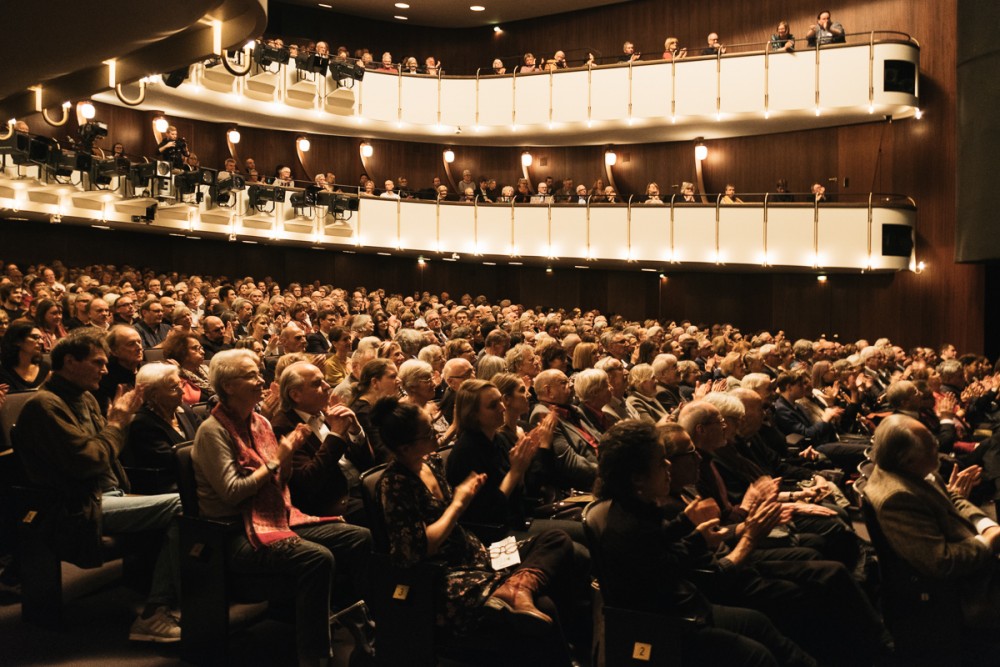
From 2009 to 2025, Joachim Lux served as artistic director of the Thalia Theater. The theater’s artistic profile was shaped by distinctive directorial styles, ongoing collaborations with international artists, and a strong ensemble. Notable productions included those by Luk Perceval, Jette Steckel, Antú Romero Nunes, Christopher Rüping, Nicolas Stemann, Jan Bosse, Johann Simons, and Kirill Serebrennikov.
Lux was a strong advocate for understanding between cultures, social classes, and religions. This was also the focus of the intercultural festival Um alles in der Welt – Lessingtage, which has been held at the Thalia Theater since 2010 between late January and early February, featuring renowned international guest performances inspired by Lessing’s Enlightenment ideas. In 2017, the Theater der Welt festival also took place at the Thalia Theater. Numerous invitations to perform abroad—including to Russia, China, Colombia, Australia, and Namibia, as well as to nearly all European countries—along with numerous awards and invitations to the Berlin Theater Meeting, affirmed the ongoing work of the Thalia Theater and its staff
In the summer of 2025, Sonja Anders became the first woman to take the helm of the renowned Thalia Theater. The ensemble is becoming significantly younger, more female, and more diverse. Sonja Anders places particular emphasis on collaborations and close ties with the local community. A new venue, the BOX, is being created at the Thalia Theater on Gaußstraße.